




Best Practices in Employee Recognition
Employee Recognition Links to Performance
Employee recognition can have a direct effect on employee performance. It is one way managers can effectively manage staff by reinforcing good behavior with rewards.

 Recognition Program Development
In order to make recognition a key part of any organization a strategic plan must be developed. This plan should include a program goal, objectives, and evaluation criteria.  Most importantly however, the program needs to be supported and reinforced by management. Since managers have the most effect on employees attitudes and beliefs they must be fully vested in the program. It is best to develop the program with the help of manager.

Recognition Program Must-Haves

  • Measurable Goals – Define the goals of the recognition program in measurable terms. Start by identifying what needs to change in the organization, then figure out a way to measure that change. Use this information as a basis to write each goal. Be sure to specify a time frame in which the goal should be accomplished. Some examples of measurable goals are:

    • Increase in sales in a product category by 20% in 24 months.
    • Reduce workplace injuries by 5% over the next 12 months.
    • Reduce customer complaints to 2% over the next 24 months.

  • Evaluation Criteria – Build in ways to evaluate the overall success or failure of the program. Success is measured with the accomplishment of each individual goal and the breadth of change to organizational culture.

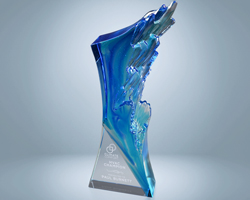
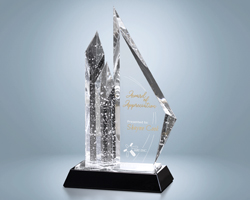
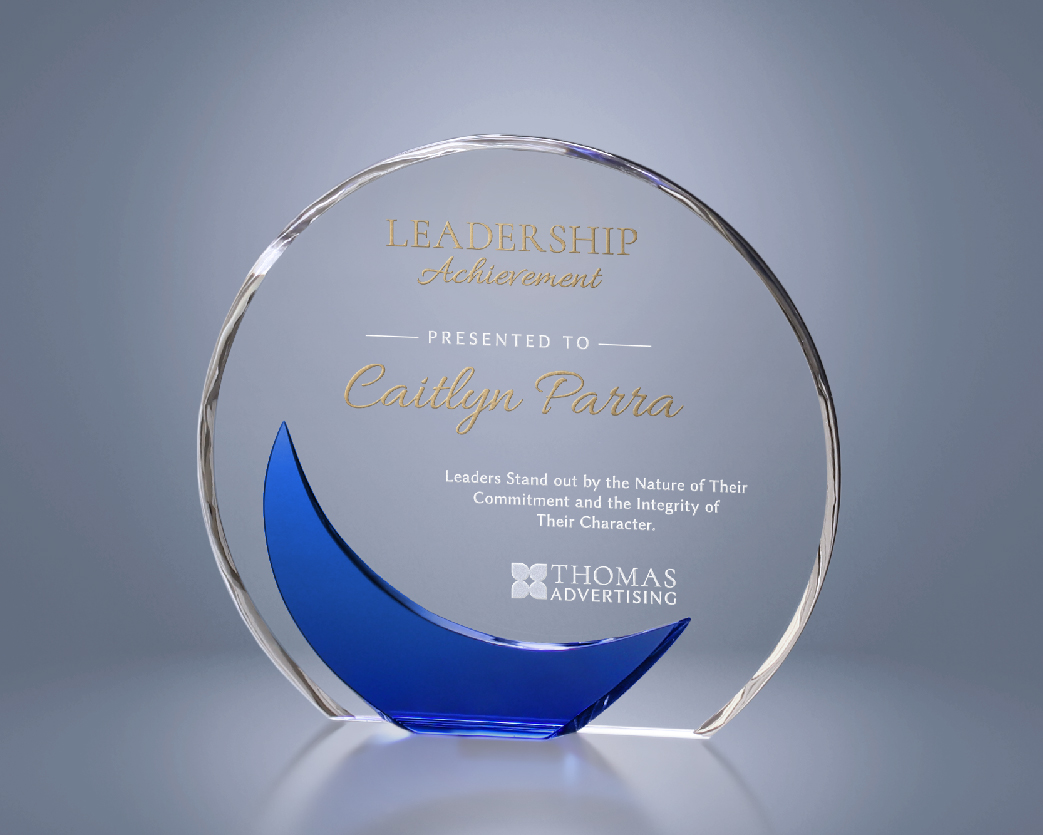
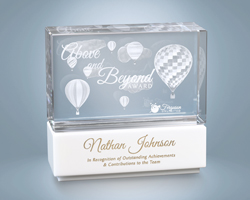
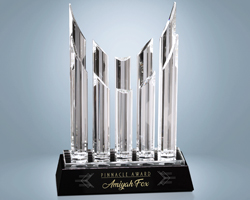
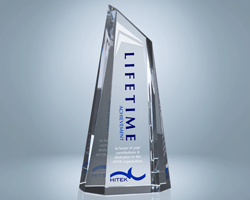
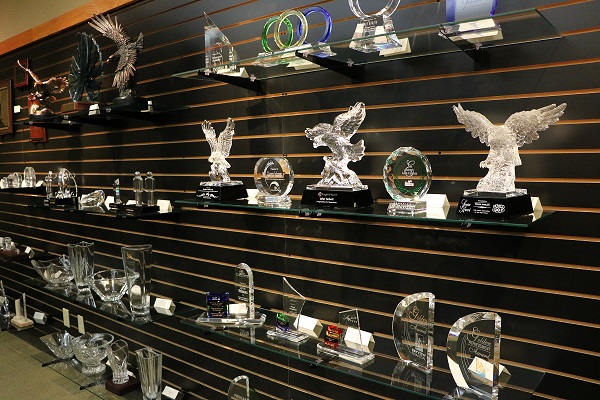
  • Meaningful and Symbolic Awards – Develop a reward structure that includes meaningful and symbolic awards. Awards should be personally meaningful to the recipient. Employees will respond best to awards that represent their personality, hobbies, and interests.  Awards should also symbolize the accomplishment in some way.

Types of Recognition

Two types of recognition exist: informal and formal.
Informal recognition is given to employees who get results. It is given immediately and informally. This type of recognition is best used to give immediate feedback on performance. Examples of informal recognition include:
  • Thank you card
  • Treats given to staff in recognition of accomplishment
  • Send an email to a supervisor about employee success or behavior, copy the employee.
Formal recognition is vital to maintaining a culture of recognition in an organization. Formal recognition is given at a set time, awards are distributed based on previously established criteria, and winners are named based on objective, measurable, results. Examples of a formal recognition program are:
  • Performance Awards
  • Safety Awards
  • Years of Service
  • Recognition in Action
Bob Nelson, motivation and recognition expert, recommends that managers make daily recognition part of their job by making people part of your to-do list. Managers lead busy lives so Nelson offers some advice to ensure success:
  • Set up a reminder system on the calendar
  • Set aside 10 minutes each day for recognition
  • Hold one-on-one meetings with employees
  • Ask others to help by asking for feedback from employees and support from peers

Further Reading on Recognition Best Practices:
The 1001 Rewards and Recognition Fieldbook by Bob Nelson
Managing with Carrots by Gotstick and Elton
White Papers by Forum for People Performance Management at www.performanceforum.org
White papers distributed by the National Association for Employee Recognition

Sources:
The 1001 Rewards and Recognition Feildbook, Bob Nelson, 2003, Workman Publishing Company, Inc.

Copyright Crystal D 2006. All Rights Reserved